Fintech software development

Built to support your RBI obligationsAudit-ready logs and trailsWorks with your licensed partnerNo vendor lock-in
In India
Data, backups and logs
In India
Data, backups and logs
6 hours
CERT-In incident window, planned for
Minimal
App permissions and card data
You own
Code, data & cloud accounts
Problems we solve

Architecture01

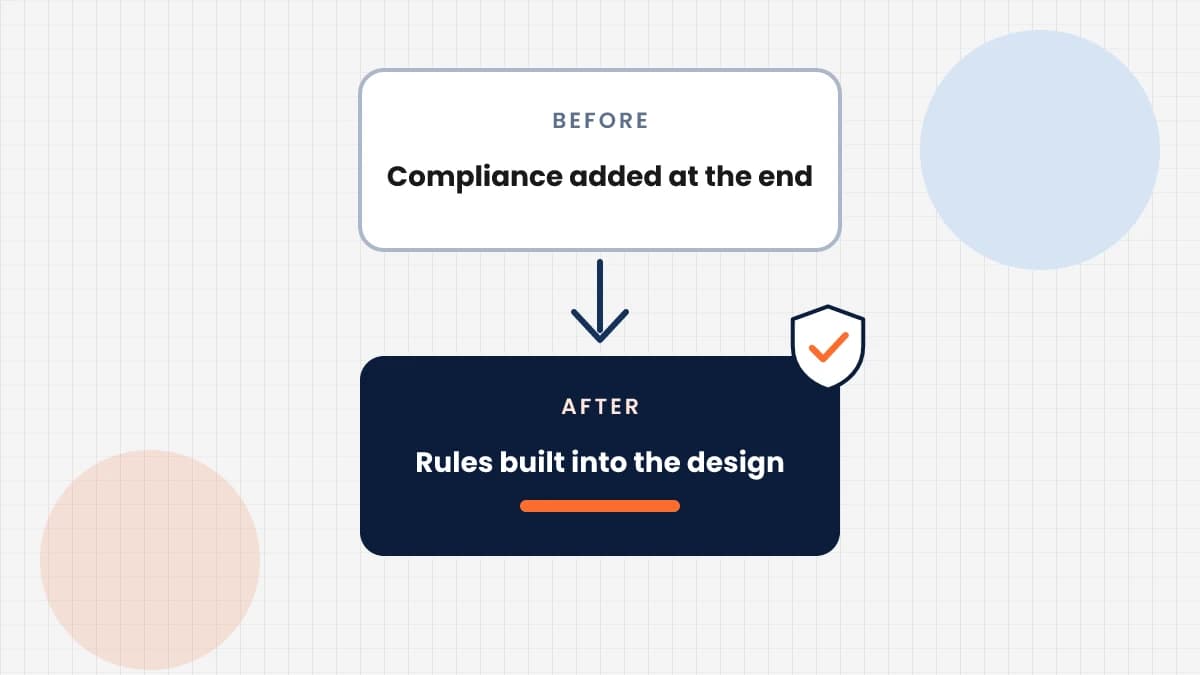
Compliance bolted on at the end

RBI rules decide where money flows, where data lives and what the app may access. Retrofitting them means rebuilding. We map your licence model and partner's rules first, then design around them.
Data02

Data stored outside India

Payment system data must be stored only in India, and lending data on servers in India. Hosting, backups, logs and third-party tools are chosen with that in mind.

Card data03

Card numbers in your database

RBI's payment aggregator rules bar merchants from storing customer card credentials. Integrating a licensed gateway with tokenisation keeps card data out of your systems and your audit scope smaller.

  • Licensed gateway
  • Tokenised cards
  • Smaller audit scope
Permissions04

Apps that ask for everything

Lending apps may take one-time camera, microphone and location access for KYC only, and must stay out of contacts and call logs. Onboarding is built to ask for the minimum and record each consent.

  • Minimal permissions
  • Consent records
  • KYC flows
Incidents05

No logs when something goes wrong

CERT-In requires reportable incidents within six hours and logs kept in India for 180 days. Central logging, retention and an incident runbook ship with the first release.

  • Central logs, 180 days
  • Clock sync
  • Incident runbook
Licensing06

Building before knowing the licence model

A payment aggregator licence needs ₹15 crore net worth to apply. Most startups work through a bank, NBFC or licensed aggregator first, which changes what you build.

  • Partner or own licence
  • Lending service provider model
  • Legal advice early
What we build

01

Lending platforms

Loan origination, Key Fact Statements, repayment tracking and dashboards for a regulated lender and its partners.

  • Origination
  • Repayment tracking
02

Payments and wallets

Checkout, payment links, UPI and card payments through licensed gateways, with reconciliation.

  • Gateway integration
  • Reconciliation
03

KYC and onboarding

Document capture, verification through approved providers and consent records.

  • Minimal permissions
  • Consent log
04

Back-office and reporting

Ledgers, reconciliation, audit trails and the reports your partner and auditors ask for.

  • Audit trails
  • Partner reports
Who owns what

01

Your regulated partner

The bank, NBFC or payment aggregator holds the licence and sets the compliance rules your product must follow.

  • Licence
  • KYC policy
02

You

Own the product and customer relationship, and follow your partner's outsourcing and conduct rules.

  • Product decisions
  • Partner agreement
03

Pixlabo

Builds the software so it supports those rules: data in India, logs, consent, permissions and audit trails.

  • Architecture
  • Engineering
What you get

8 items, none of them extra
A rules map of the RBI, CERT-In and DPDP requirements your model touches
Architecture with money flow, data residency and logging designed first
Hosting, backups and logs in India
Licensed gateway integration with tokenised cards, no card data stored
Minimal app permissions and consent records for KYC
Central logging with 180-day retention and an incident runbook
Audit trails and reports your partner and auditors ask for
Source code, database and cloud accounts in your name
How it runs

  1. 01
    First weeks

    Rules discovery

    Your licence model, regulated partner, data flows and the directions that apply to them.

    Rules map

  2. 02
    Before build

    Architecture

    Money flow, data residency, logging, permissions and integrations designed before code.

    Architecture document

  3. 03
    Before build

    Phase pricing

    Each phase priced in writing, including security testing your partner requires.

    Phase plan · Prices

  4. 04
    Phase 1

    First release

    Core flows built with logs, consent records and tests from the first sprint.

    Working release

  5. 05
    Before launch

    Security testing

    Testing and fixes before launch, with evidence ready for your partner or auditor.

    Test report · Fixes

  6. 06
    Ongoing

    Run and extend

    Monitoring, incident runbook, and further modules as their own phases.

    Runbook · Releases

The stack

  • Node.jsNode.jsBackend
  • PostgreSQLPostgreSQLLedger and records
  • ReactReactWeb and mobile apps
  • Next.jsNext.jsDashboards
  • RazorpayRazorpayPayment gateway
  • TypeScriptTypeScriptLanguage
  • DockerDockerDeployment
  • AWSAWSIndia-region hosting
FAQ

01Does RBI require fintech data to be stored in India?
For payments and digital lending, yes. RBI's 2018 direction requires all data relating to payment systems to be stored only in India. The Digital Lending Directions, 2025 require lending data to be stored on servers in India, and data processed abroad to be deleted there and brought back within 24 hours. We design hosting, backups and logs around this from the start.
02Do we need an RBI licence, or can we work with a licensed partner?
Most fintech startups start with a partner. Lending runs through a regulated entity such as a bank or NBFC, with the startup acting as its lending service provider. A non-bank payment aggregator needs RBI authorisation and a net worth of ₹15 crore when applying, rising to ₹25 crore by the end of its third financial year. Take legal advice for your model.
03What phone permissions can a lending app ask for?
Very few. Under RBI's Digital Lending Directions, a lending app may take one-time access to the camera, microphone and location only when needed for onboarding or KYC, with the borrower's explicit consent, and must not access files, media, the contact list or call logs. We build onboarding so the app asks for the minimum and records each consent.
04Can a lending app route loan money through its own account?
No. RBI's Digital Lending Directions require loans to be paid out and repaid directly between the borrower's bank account and the regulated lender, with no pass-through or pool account controlled by the lending service provider. This decides how the payment and ledger parts of a lending platform are built, so we design the money flow before anything else.
05How fast must a cyber security incident be reported in India?
Within six hours. CERT-In's 2022 directions require reportable cyber incidents to be reported within six hours of noticing them, and system logs to be kept securely within India for a rolling 180 days. We build central logging, retention and an incident runbook into fintech systems from the first release, so meeting this does not depend on luck.
06When do India's DPDP rules apply to a fintech product?
The Digital Personal Data Protection Rules were notified on 14 November 2025 with an 18-month phase-in, so most obligations apply from around May 2027. They cover consent notices, security safeguards, breach notification and handling access and erasure requests. Building consent records and data maps now is cheaper than retrofitting them later, alongside the RBI rules that already apply.
07How much does fintech software development cost?
We do not publish a fintech price range, because compliance scope changes the cost more than features do. Hosting in India, audit logs, security testing and audits by CERT-In empanelled auditors where your partner requires them all add work. We start with a short discovery of your licence model and partner, then price each phase in writing before building.
08Have you built a regulated fintech product before?
Not yet, and we would rather say so. We build custom software, mobile apps, CRMs and ERPs, and integrate payment gateways. For fintech, we work alongside your regulated partner and compliance advisers, who own the regulatory decisions, and we build the systems that support them. We do not claim to be RBI-certified, because RBI does not certify software vendors.

App Development across Delhi NCR

App Development company in Delhi

We work with businesses across Delhi. Each area page covers the local business context, the problems worth solving there, and how a app development project is typically scoped.

App Development across United States

App Development company in United States

We work with businesses across United States. Each area page covers the local business context, the problems worth solving there, and how a app development project is typically scoped.

Government of India seal
MSME Registered
Government e-Marketplace — GeM