
The Environment
The Bay Area concentrates software, venture-backed startups, biotechnology and fintech. The person reviewing the work has usually shipped production code and evaluates accordingly.
San Francisco Bay Area, United States
Bay Area companies usually outsource mobile because their engineers are on the core product, not because they cannot build. That makes handover the deciding requirement. An app delivered without tests, documentation or a deployment process your team controls becomes a permanent dependency — the specific outcome the decision was meant to avoid. Pixlabo works in your repository and release process, ships with test coverage, and documents architecture decisions as we make them. We work overlapping Pacific hours from India.
What the local environment means for a app development project in San Francisco Bay Area.
The Bay Area concentrates software, venture-backed startups, biotechnology and fintech. The person reviewing the work has usually shipped production code and evaluates accordingly.
Mobile here is frequently an extension of an existing product rather than a standalone build, which means it has to fit existing APIs, authentication and design language rather than introduce its own.
Scope tends to be deliberate and narrow. Companies outsource a defined capability and expect to own the result, so the question of who maintains it comes up in the first conversation.
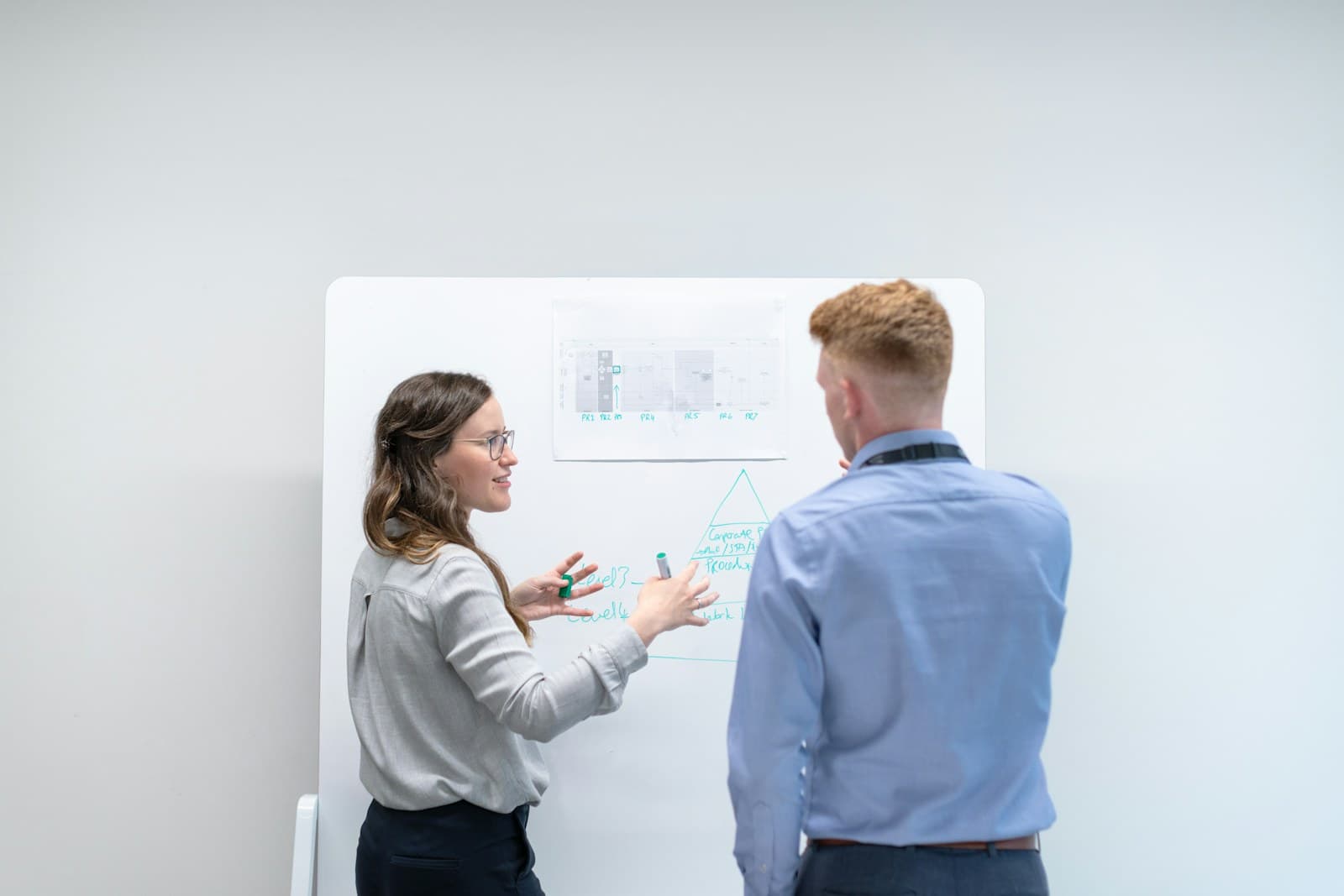
Good development starts by understanding the operational problem—not by choosing technology first.
Problems worth solving
An unfamiliar stack, no tests and a build process only the agency understands turns every future change into a vendor negotiation. For a company with its own engineers, that is the worst possible outcome and the easiest to avoid.
When mobile is built by a separate team against a separate design language, the two experiences drift. Sharing tokens and patterns, or deliberately synchronising them, keeps the product coherent.
Chatty endpoints, unbounded payloads and no versioning work acceptably on a fast connection and poorly on mobile. Older installed app versions also keep calling old endpoints for months, which web development rarely has to accommodate.
Teams used to shipping web daily find store review disruptive. Feature flags, staged rollout and over-the-air configuration restore most of that control, but they have to be designed in.
Even well-built apps require annual platform work. Teams that budget only for the build discover the app degrading while every engineer is committed to the core product.
App Development
End-to-end app development capabilities selected to create a practical, maintainable solution for businesses in San Francisco Bay Area.
Your repository, your pull request and review flow, your CI and release tooling rather than a parallel process we control.
React Native where one codebase serves both well; native where the app depends on deep platform capability. We explain the trade-off rather than defaulting.
Versioned, efficient endpoints designed for intermittent connections and for older installed clients that will keep calling them for months.
Feature flags, staged rollout and remote configuration so shipping is not gated entirely on store review timing.
Automated tests integrated with your pipeline, so they run where your team can see them rather than only on ours.
Architecture decision records and a walkthrough written as we go, so ownership transfers cleanly rather than as a final scramble.
Applications by sector
Business applications relevant to San Francisco Bay Area.
Mobile extensions of existing products, sharing authentication, API and design language rather than reinventing them.
First mobile releases that do not become technical debt at the next raise, with reversible decisions documented.
Apps with device-level security expectations — secure storage, biometrics, session management and certificate handling.
Research and clinical support apps with careful data handling and defensible capture.
Companion apps where the audience is technical and expects the app to behave correctly under edge conditions.
Opportunity roadmap
App Development in San Francisco Bay Area
Documentation and conventional choices are what make internal ownership real rather than a line in a proposal.
Shared tokens and patterns prevent the drift that follows every independent redesign on either side.
Versioning and payload efficiency matter far more on mobile, where old clients persist for months after a release.
Feature flags and staged rollout return most of the shipping cadence that store review takes away.
Development process
A systematic, risk-aware approach that takes a app development project from requirements and planning to controlled release and ongoing improvement.
Delivery phases
One accountable workflow
Understand the existing product, API, design system, release process and who will own the app.
Agree platform approach, API changes, offline behaviour and release strategy with your engineering lead.
Interfaces consistent with your product, covering empty, loading, offline and error states.
Development in your repository and review process with tests from the first pull request.
Privacy labels, permissions and account deletion prepared against current guidelines.
Staged release, documentation and walkthrough with a defined support window rather than open-ended dependency.
Every stage creates something your team can review.
Requirements Measured improvementBuyer's guide
Selecting the right app development partner requires looking beyond the portfolio to understand their engineering culture, delivery process and business alignment in San Francisco Bay Area.
Documentation, architecture decisions and tests should be deliverables, not extras. A partner charging separately for handover is monetising your dependency.
You have engineers who can evaluate it. A partner uncomfortable with code review before contract is telling you something useful.
Old app versions persist for months. A partner who has not planned for that will break installed users when the API moves.
Feature flags and staged rollout should be part of the plan. Without them every change waits on store review.
Annual platform work is not optional. Budget it before the build so it does not compete with core product priorities later.
Nearby service coverage
Pixlabo works with businesses across the Bay Area including San Francisco, Oakland, San Jose, Palo Alto, Berkeley and Mountain View, and publishes structured coverage for nineteen other United States metros. A metro page is not a claim of a local office — Pixlabo is based in India and works with Bay Area clients remotely on overlapping Pacific hours.
App Development · San Francisco Bay Area
Practical answers about project scope, delivery, integrations and ongoing support.
If you are outsourcing mobile so your engineers can stay on the core product, the useful first conversation is technical. Bring your existing API, your release process, your design system and who will own the app afterwards. We will tell you what we would build, what we would leave to your team, and where your API needs to change for mobile realities. If you want to evaluate us on real work in your repository before committing, a small paid engagement is the fastest way for both sides to find out.
Project discussion for San Francisco Bay Area
Start a discovery conversation