
The Environment
Tampa has built a concentrated base of finance, insurance and healthcare employers alongside a notable cybersecurity and defence technology community, supported by port and distribution activity.
Tampa, United States
Insurance claims apps live or die on the quality of what customers capture. A blurry photo without location or timestamp is not evidence, and a claim submitted with unusable documentation costs more to process than one taken over the phone. Pixlabo builds Tampa claims and inspection apps that guide capture actively — prompting for the angles an adjuster needs, embedding verifiable metadata, and rejecting unusable images at the point of capture rather than three days later when the customer has left the scene. We work overlapping Eastern hours from India.
What the local environment means for a app development project in Tampa.
Tampa has built a concentrated base of finance, insurance and healthcare employers alongside a notable cybersecurity and defence technology community, supported by port and distribution activity.
Insurance mobile work here is largely about moving capture to the customer or the field adjuster. The saving is real, but only if what comes back is usable — otherwise the app adds a step without removing one.
Florida's weather exposure also means claims arrive in concentrated surges. An app that works fine in normal months has to survive the week after a storm, when volume and stakes are both at their highest.
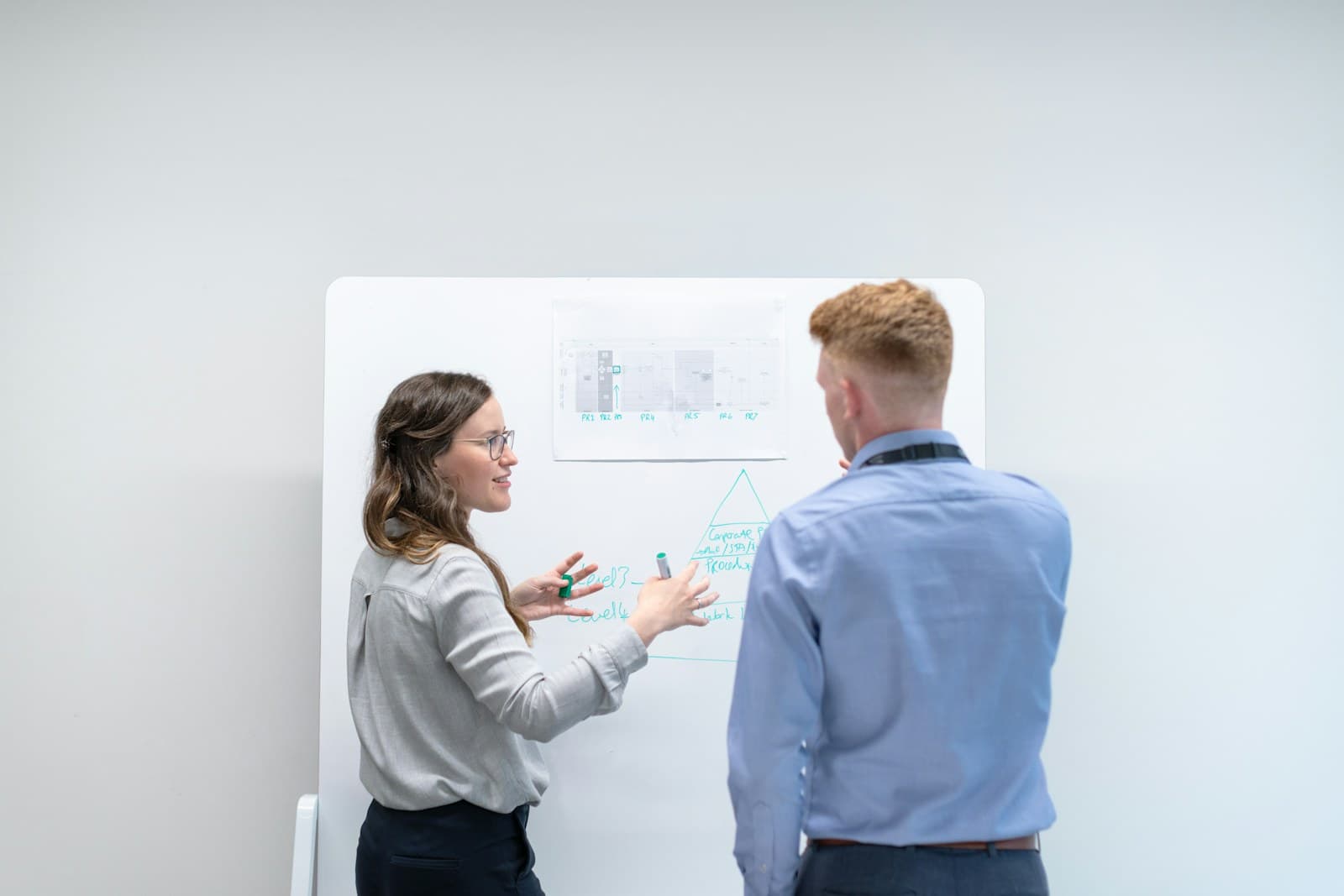
Good development starts by understanding the operational problem—not by choosing technology first.
Problems worth solving
Photos taken without guidance are blurry, badly framed or miss what the adjuster needs. The claim then requires a follow-up the app was meant to eliminate. Active capture guidance and on-device quality checks are what make customer capture actually cheaper.
A photo without reliable timestamp, location and device identity is weak evidence in a disputed claim. Metadata that can be trusted, and capture that is difficult to fake, materially changes the value of what is collected.
Florida claims arrive in concentrated waves after storms. An app sized for average volume fails in the week it matters most, and often in conditions where connectivity is also degraded.
Damage frequently occurs where connectivity is poor, sometimes because of the same event causing the claim. Capture must work fully offline with reliable queued upload, or customers simply do not use it.
Claims involve personal, medical and financial information. Collecting more than the process needs, or retaining it indefinitely, creates obligation and exposure that adds nothing to claim handling.
App Development
End-to-end app development capabilities selected to create a practical, maintainable solution for businesses in Tampa.
Active prompting for required angles and detail, with on-device quality checks that reject unusable images at the point of capture rather than at review.
Verifiable timestamps, location and device identity with tamper-evident handling, so captured material holds up in a disputed claim.
Full capture without connectivity and reliable queued upload, because damage frequently occurs where signal does not exist.
Capacity planned and load-tested against catastrophe-scale volume rather than average months.
Collection scoped to what claim handling requires, with encryption, role-based access and enforced retention.
Session policy, encrypted local storage and defined behaviour on device loss, appropriate to the sensitivity of claim data.
Applications by sector
Business applications relevant to Tampa.
Claims and inspection apps with guided capture, defensible evidence and surge capacity for catastrophe events.
Patient and staff apps with data minimisation, accessible flows and defined retention.
Product and internal apps where your own security posture is evaluated as evidence of competence.
Proof-of-delivery and condition capture apps with offline tolerance and verifiable metadata.
Client apps with confidential document handling and auditable access.
Opportunity roadmap
App Development in Tampa
Unusable evidence means a follow-up, which removes the saving entirely. Active guidance is what makes customer capture genuinely cheaper.
Verifiable timestamp, location and device identity change what captured material is worth when a claim is disputed.
Florida claim volume is event-driven. The system has to hold in the week after a storm or it has not solved anything.
Damage and poor connectivity frequently coincide. An app that requires signal will not be used at the moment it was built for.
Development process
A systematic, risk-aware approach that takes a app development project from requirements and planning to controlled release and ongoing improvement.
Delivery phases
One accountable workflow
Map the claim or inspection process, what evidence is required, and where capture currently fails.
Design offline capture, queued upload, metadata handling and surge capacity before interface work.
Guided capture flows usable under stress, covering offline, queued and rejected-quality states.
Development with capture quality checks and upload reliability tested under degraded conditions.
Adjuster review of captured output, load testing at surge volume and security review support.
Staged rollout with monitoring on capture success, upload completion and processing outcomes.
Every stage creates something your team can review.
Requirements Measured improvementBuyer's guide
Selecting the right app development partner requires looking beyond the portfolio to understand their engineering culture, delivery process and business alignment in Tampa.
If the app simply accepts whatever the camera produces, you will get unusable evidence and the follow-up you were trying to eliminate.
The people who process claims should validate what the app captures before rollout. Building capture without their input produces evidence that looks fine and is not.
In Florida this is the defining load question. Ask what peak the system is sized for and whether it has been load-tested.
Damage and outages coincide. An app requiring connectivity will not be used at the moment it was built for.
Claims involve personal, medical and financial information. Collecting beyond the process need creates obligation with no operational benefit.
Nearby service coverage
Pixlabo works with businesses across the Tampa Bay area including St. Petersburg, Clearwater, Brandon and Sarasota, and publishes structured coverage for nineteen other United States metros. A metro page is not a claim of a local office — Pixlabo is based in India and works with Tampa clients remotely on overlapping Eastern hours.
App Development · Tampa
Practical answers about project scope, delivery, integrations and ongoing support.
If you are scoping a claims or inspection app for a Tampa business, the useful first conversation is about what comes back. Bring what evidence your adjusters actually need, where capture currently fails, and what your volume looks like in the week after a major storm. We will design guided capture validated by the people who process the claims, build it to work with no signal, and size the system for the surge — because an app that produces unusable evidence adds a step without removing one.
Project discussion for Tampa
Start a discovery conversation