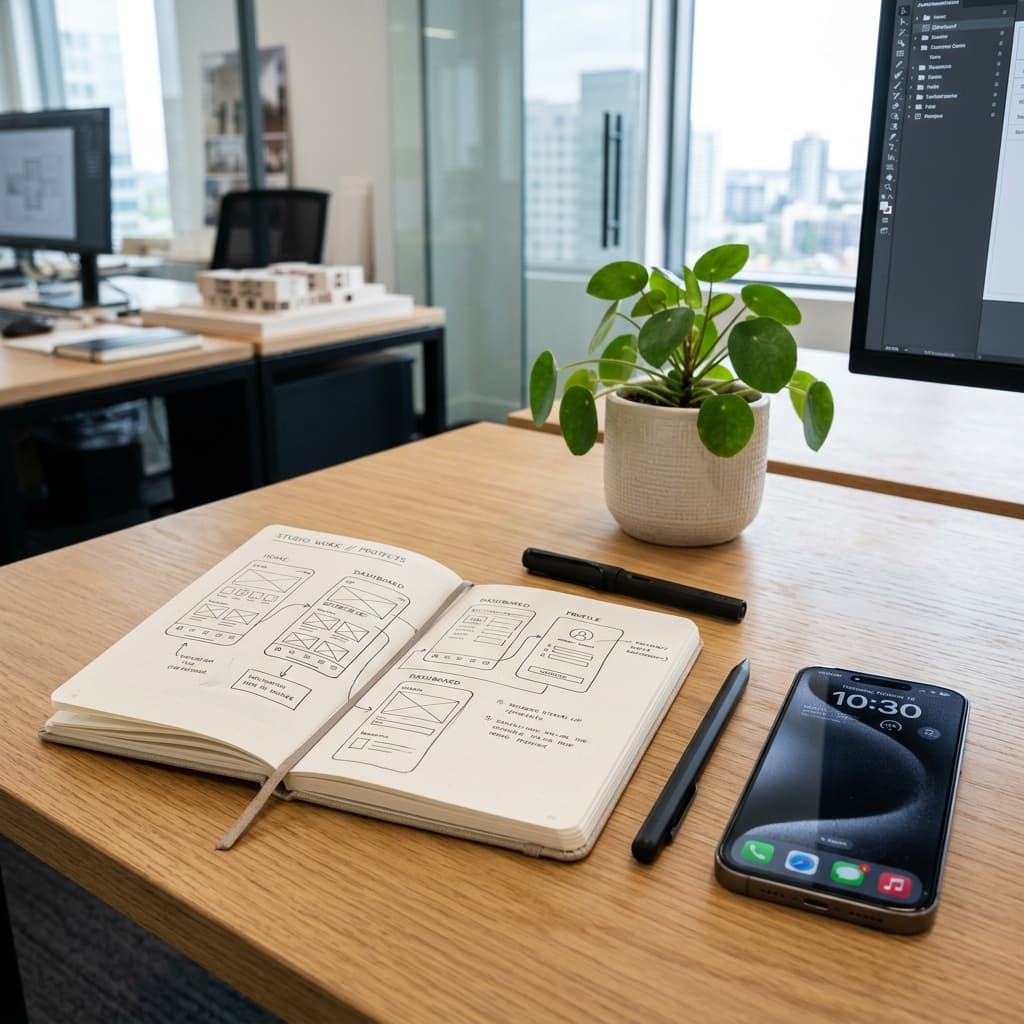
Appointments that reduce no-shows
Online booking, WhatsApp confirmation and a reminder the evening before. No-shows are the largest quiet revenue loss in Indian outpatient practice, and reminders alone move the number materially.
Pricing guide · Updated August 2026
Most clinic software gets abandoned within three months, and the reason is almost never price. It's that entering a consultation takes longer than writing on a pad. Cost matters — this does more.



What it costs
Ranked by how many clinics each one actually suits. The first row covers more practices than the other three combined.
| Route | Cost | What you get | Right for |
|---|---|---|---|
| Single-doctor SaaS | ₹1,500 – ₹5,000 / month | Appointments, prescriptions, basic billing | Solo practice or a two-doctor clinic. Live the same week. Start here unless you have a specific reason not to. |
| Multi-doctor SaaS | ₹8,000 – ₹30,000 / month | Multi-calendar, inventory, lab, reporting | Polyclinics and small hospitals. Per-doctor pricing means cost climbs with every new consultant you add. |
| Configured platform | ₹2,00,000 – ₹8,00,000 setup | Existing product tailored to your workflow | Speciality clinics whose process differs from general practice — IVF, dental chains, diagnostics. |
| Custom build | ₹8,00,000 – ₹25,00,000 | Built around your protocols end to end | Multi-branch chains, unusual clinical workflows, or where the software is part of your service offering. |
Planning ranges from Indian market pricing, not quotes. SaaS figures assume mid-tier plans; custom assumes appointments, records, billing and reporting in one system, excluding the 15–20% annual maintenance every build carries.
What matters
Vendors sell on feature count. Adoption is decided by these four, and by how many seconds a consultation takes to record.
Online booking, WhatsApp confirmation and a reminder the evening before. No-shows are the largest quiet revenue loss in Indian outpatient practice, and reminders alone move the number materially.
If entering a consultation takes longer than writing on a pad, the software will be abandoned within a month. Speciality-specific templates and a two-tap prescription matter far more than feature count.
Consultation, procedures, packages, partial payments and TPA claims. Where clinic software most often fails to match how money actually moves through an Indian practice.
ABHA linking and India's health data standards are becoming the expectation rather than the exception. Ask any vendor where they stand today and what it costs to get compliant — don't assume it's included.
Don't build if
We build custom healthcare software, and we tell most single clinics to buy. A build you didn't need is worse than a subscription you outgrew.
Questions
Not covered here? Ask us directly — we answer scoping questions without putting you into a sales sequence.
Single-doctor SaaS runs ₹1,500 to ₹5,000 a month. Multi-doctor clinics pay ₹8,000 to ₹30,000 monthly depending on doctor count and modules. Configuring an existing platform for a speciality workflow costs ₹2,00,000 to ₹8,00,000 upfront. A custom build runs ₹8,00,000 to ₹25,00,000 with roughly 15 to 20 percent annually for maintenance. Most clinics are better served by SaaS.
Rarely for a single clinic, and often for a multi-branch chain. The case for custom opens when you run several locations needing shared patient records, your clinical workflow genuinely differs from general OPD, or the software is part of what you sell to patients. A solo or two-doctor practice will get better software faster by subscribing than by building.
Four decide whether staff adopt it. Appointment booking with automated reminders, because no-shows are the biggest quiet revenue loss in Indian outpatient practice. Patient records fast enough that a doctor prefers them to paper. Billing that handles packages, partial payments and TPA claims. And ABDM readiness. Everything else — inventory, lab integration, analytics — is valuable but not what makes or breaks rollout.
ABDM is India's national digital health framework, covering ABHA health IDs and standardised health records. Compliance is increasingly expected of clinic software rather than optional, particularly for practices working with government schemes or larger hospital networks. Ask any vendor directly where they stand on ABDM today and what upgrading costs — several list it as roadmap rather than shipped.
SaaS goes live in a few days to two weeks, most of which is entering your existing patient list and training reception. A configured platform takes four to ten weeks. A custom build takes four to eight months. Whichever route you take, budget two to four weeks of parallel running with your old process — clinics that switch overnight tend to switch back.
Almost always because data entry takes the doctor longer than paper did. Software chosen on feature lists rather than on how fast a consultation can be recorded gets abandoned quietly — reception keeps using it for appointments while clinical notes go back to a pad. Before buying anything, have the doctor who will actually use it record three consultations in the demo and time it.
Have the doctor who'll actually use it record three real consultations in the demo, with a stopwatch. If it's slower than paper, nothing else on the feature list matters. We'll help you run that test properly.
Talk through your requirements