
The Environment
Houston combines the world's largest energy cluster with the Texas Medical Center, extensive port and logistics activity and a deep engineering services base.
Houston, United States
In Houston industry, the question that decides an AI project is whether being wrong can hurt someone. A system summarising technical documentation has a tolerable error cost. A system informing a decision about equipment condition, isolation or a permit to work sits adjacent to safety, and adjacency is enough to change how it must be built, reviewed and constrained. Pixlabo establishes that boundary first and keeps deployments on the advisory side, with the human authority for any safety-relevant decision explicit and unchanged. We work overlapping Central hours from India.
What the local environment means for a ai development project in Houston.
Houston combines the world's largest energy cluster with the Texas Medical Center, extensive port and logistics activity and a deep engineering services base.
Much of the data here is technical — inspection reports, maintenance histories, specifications, sensor readings — and much of the work interpreting it is expensive expert time.
But the same environment means errors can have physical consequences. That does not rule AI out; it determines where it belongs and what oversight is non-negotiable.
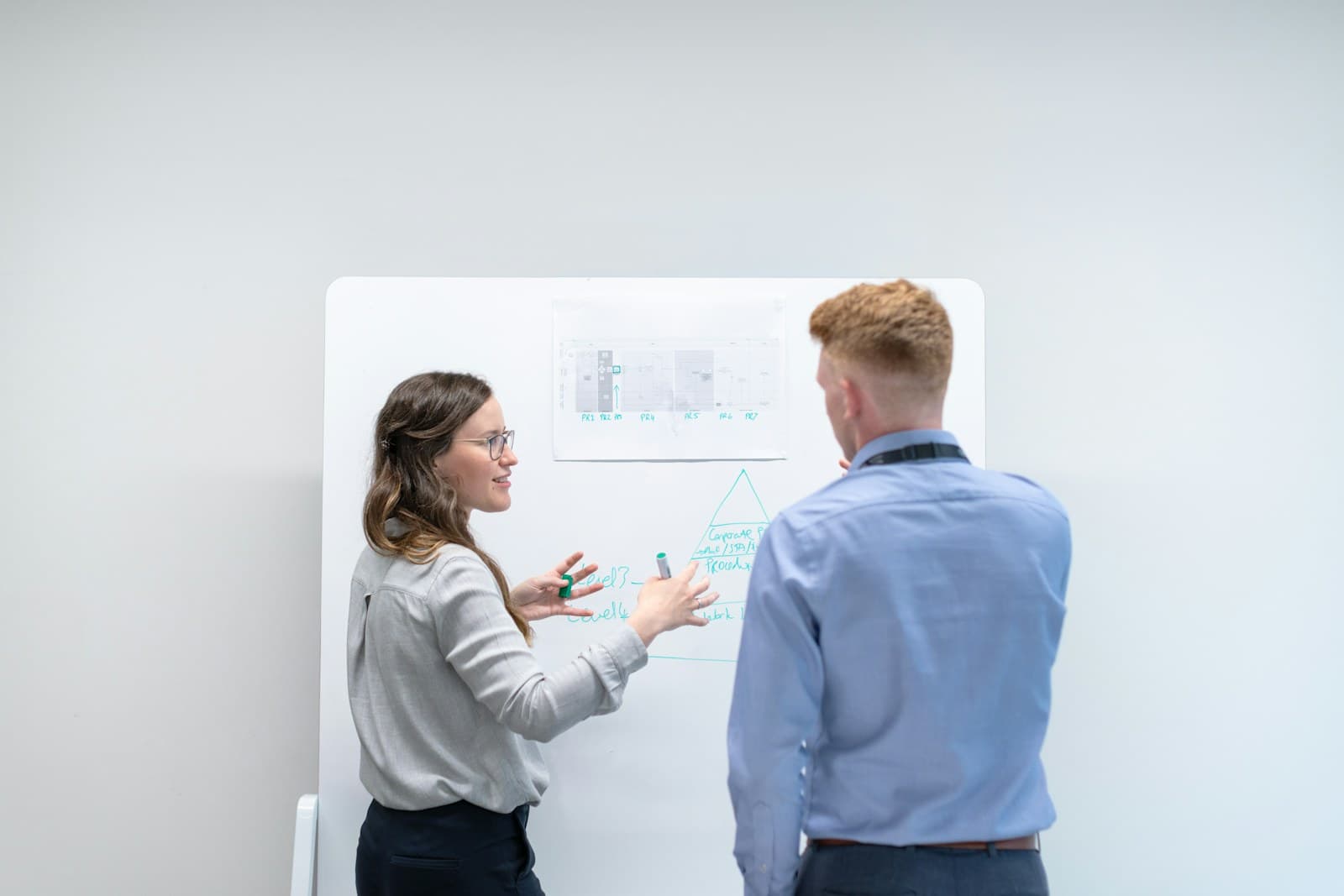
Good development starts by understanding the operational problem—not by choosing technology first.
Problems worth solving
A system that summarises inspection reports is advisory. One that flags equipment as acceptable is adjacent to a safety decision. Without an explicit boundary, feature requests move a tool across it gradually, and the consequences are not the kind that can be corrected in the next release.
Engineering drawings, P&IDs, inspection forms and specifications are dense, domain-specific and frequently scanned. Systems evaluated on general business documents report accuracy that collapses on this material.
Anomaly detection on equipment data finds patterns. Whether a pattern indicates impending failure is a domain judgement, and systems presenting correlation as prediction produce false confidence in precisely the wrong place.
Engineers will not accept a system whose reasoning they cannot inspect, particularly where they carry professional responsibility for the decision. Building without them produces something technically functional and professionally unusable.
Maintenance and inspection records spanning decades use different terminology, standards and conventions. Training or retrieving over them without accounting for that produces confident answers grounded in incomparable data.
AI Development
End-to-end ai development capabilities selected to create a practical, maintainable solution for businesses in Houston.
The line between advisory and safety-relevant established with your engineering and HSE leads, with feature requests assessed against it.
Extraction and retrieval evaluated on your actual engineering material — scanned forms, dense specifications, domain terminology — rather than general business documents.
Anomaly detection presented as pattern identification requiring expert interpretation, not as prediction, with confidence communicated accurately.
Reasoning and sources exposed so an engineer carrying professional responsibility can verify rather than trust.
Terminology, standard and convention changes across decades of records accounted for before retrieval or analysis.
Safety-relevant decisions remain with the qualified person, with the system's role documented and constrained.
Applications by sector
Business applications relevant to Houston.
Inspection report analysis, maintenance history retrieval and technical document search with expert review preserved.
Specification retrieval and drafting support with verifiable sourcing across project archives.
Documentation processing and exception classification at volume with defined review.
Administrative workload reduction kept clear of clinical decisions with clinician oversight.
Quality record analysis and technical documentation retrieval with domain terminology handled correctly.
Opportunity roadmap
AI Development in Houston
Drift across it happens through reasonable-sounding feature requests, and in this environment the consequences are not correctable in a later release.
Accuracy measured on general business documents does not transfer to P&IDs, inspection forms and dense specifications.
Anomaly detection finds patterns. Presenting that as failure prediction creates false confidence exactly where confidence should be earned.
A system whose reasoning cannot be inspected will not be used by someone carrying professional responsibility for the outcome.
Development process
A systematic, risk-aware approach that takes a ai development project from requirements and planning to controlled release and ongoing improvement.
Delivery phases
One accountable workflow
Establish the safety boundary with engineering and HSE, and assess candidate tasks against error tolerance.
Examine document quality, terminology consistency and record comparability across the relevant history.
Build an evaluation set from your actual technical material with thresholds agreed by domain experts.
Build with inspectable reasoning and verifiable sourcing, reporting honest accuracy on real documents.
Review workflow designed with the engineers who will use it, integrated with existing systems.
Production monitoring with scheduled re-evaluation and expert spot-checking.
Every stage creates something your team can review.
Requirements Measured improvementBuyer's guide
Selecting the right ai development partner requires looking beyond the portfolio to understand their engineering culture, delivery process and business alignment in Houston.
A partner who has not raised it has not understood your environment. Adjacency to a safety decision changes the requirements entirely.
Accuracy on general business documents tells you nothing about performance on P&IDs, inspection forms or dense specifications.
An engineer carrying professional responsibility will not accept reasoning they cannot verify, however accurate it is claimed to be.
If it is described as predicting failure rather than identifying patterns for expert interpretation, the framing is already wrong.
Decades of records use different terminology and standards. Retrieval that ignores that produces confident answers on incomparable data.
Nearby service coverage
Pixlabo works with businesses across the Houston metro including The Woodlands, Sugar Land, Katy and Pearland, and publishes structured coverage for nineteen other United States metros. A metro page is not a claim of a local office — Pixlabo is based in India and works with Houston clients remotely on overlapping Central hours.
AI Development · Houston
Practical answers about project scope, delivery, integrations and ongoing support.
If you are considering AI at a Houston industrial or engineering business, the useful first conversation is about where being wrong stops being an inconvenience. Bring a task consuming expert time, the documents involved, and who would carry professional responsibility for acting on the output. We will establish the safety boundary with your engineering and HSE leads before designing anything, evaluate on your real technical material, and keep the system advisory — because in this environment the wrong error is not one you correct in the next release.
Project discussion for Houston
Start a discovery conversation